The adoption process is often treated as the happy ending: the photo on social media, the leash handed over, and the empty kennel finally opening back up. For the pet and the family walking out the door, though, this is the start of a very important transition.
When these transitions go wrong, the animal is often returned, and those returns are one of the most expensive outcomes a shelter can absorb. It means lost capacity, staff labor, and, on top of this, the animal often returns stressed, more guarded, and harder to place than the day it first arrived.
A meaningful share of returns is preventable not by more front-end screening but by support after adoption. Post-adoption support goes a long way by protecting your shelter’s capacity and intake and helps ease the pet’s transition, ultimately creating a healthier, more compassionate environment.
Our breakdown and guide will go into depth on why adoptions fail, what to put in place before the adopter ever leaves, and how to build a follow-up system that promotes confidence and patience during pet transitions.
Understanding why adoptions fail and what causes them can be a key factor in preventing them in the future. Most returns cluster around a handful of reasons:
That last category means a lot, because not every return is preventable and staff shouldn’t feel they’ve failed when an honest mismatch comes back. The point of post-adoption support is to move the need to the preventable returns while accepting that a small number of placements simply won’t work out. Knowing the difference keeps your team focused on the returns they can actually influence.
The best post-adoption support starts before the adoption is even final. An adopter who knows what’s coming is far less likely to be alarmed when it arrives.
During the adoption conversion, ask questions outside of the paperwork. Be honest in the pet’s profile and in person about known behaviors and needs. Walk adopters through what the first few days will realistically look like: hiding, reduced appetite, house-training accidents, and overwhelmed behavior have nothing to do with the animal’s true temperament.
Once they’re ready to head home, give them more than a folder of forms. A simple one-page decompression plan outlines what to do, what to expect, and when to call, helping ease those nerves and prepare owners.
If there's one framework worth teaching every adopter, it's the 3-3-3 rule. Many people have never heard of it, and it reframes the entire adjustment period in a way that prevents early panic.
The rule breaks the transition into three rough stages:
Here’s where a lot of good intentions usually break down. Everyone agrees that follow-up matters; almost no one has a system that guarantees it. The fix is to make follow-up structured and scheduled rather than dependent on memory or spare time.
Here’s a realistic cadence:
The key is to make this systematic. Automated check-in messages, prepared templates, and a simple way to flag adopters whose replies signal trouble mean the routine cases handle themselves, and your staff spends their limited time on the conversations that actually need a human. This is exactly the kind of workflow that shelter softwares like PetBridge is built to carry.
Behavior problems are one of the largest drivers of returns, and they’re often the most solvable. While these accidents may feel like dealbreakers to first-time owners, they’re fixable issues to anyone with shelter experience.
Build a system that connects adopters to help before a behavior becomes a reason to give up:
Create a clear message for adopters: a behavior doesn’t mean you failed or that the pet is broken. It means it’s time to ask for help, and help is available.
Cost is a quiet, under-acknowledged driver of returns. An adopter who loves their pet but can't afford a sudden vet bill is in a genuinely hard spot, and support here prevents heartbreaking outcomes.
Be upfront about the realistic ongoing costs of pet ownership during adoption so nothing comes as a shock. Then connect adopters to resources that ease the burden: low-cost or sliding-scale veterinary clinics, pet food pantries, and community assistance programs. On the logistics side, raise the housing question directly during the adoption process. Confirm that the adopter's lease actually allows the pet, which prevents one of the most avoidable returns of all.
None of this works as a good intention. It works as a workflow. To make post-adoption support sustainable, especially for a small team, stick to the following.
Someone needs to be responsible for the follow-up system, even if the work itself is largely automated.
A simple, consistent cadence that actually happens beats an ambitious program that collapses under staffing reality. Start small and build.
You can't tell whether your support is working without a baseline. Watch your return rate, segment it by reason, and let the trend tell you where to focus next.
The shelters that reduce returns aren't the ones with the most resources. They're the ones that treat the weeks after adoption as part of the adoption, and build a small, repeatable system to support that window.
Preventing returns comes down to two things: setting the right expectations up front, and matching the right pet to the right home. PetBridge tools support both.
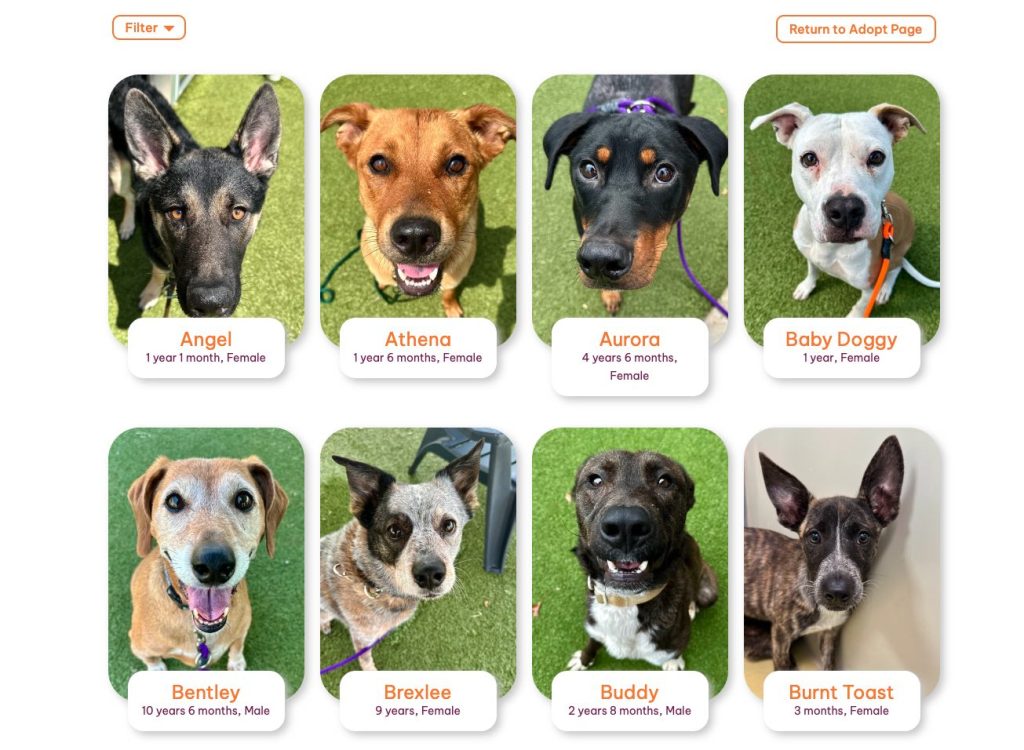
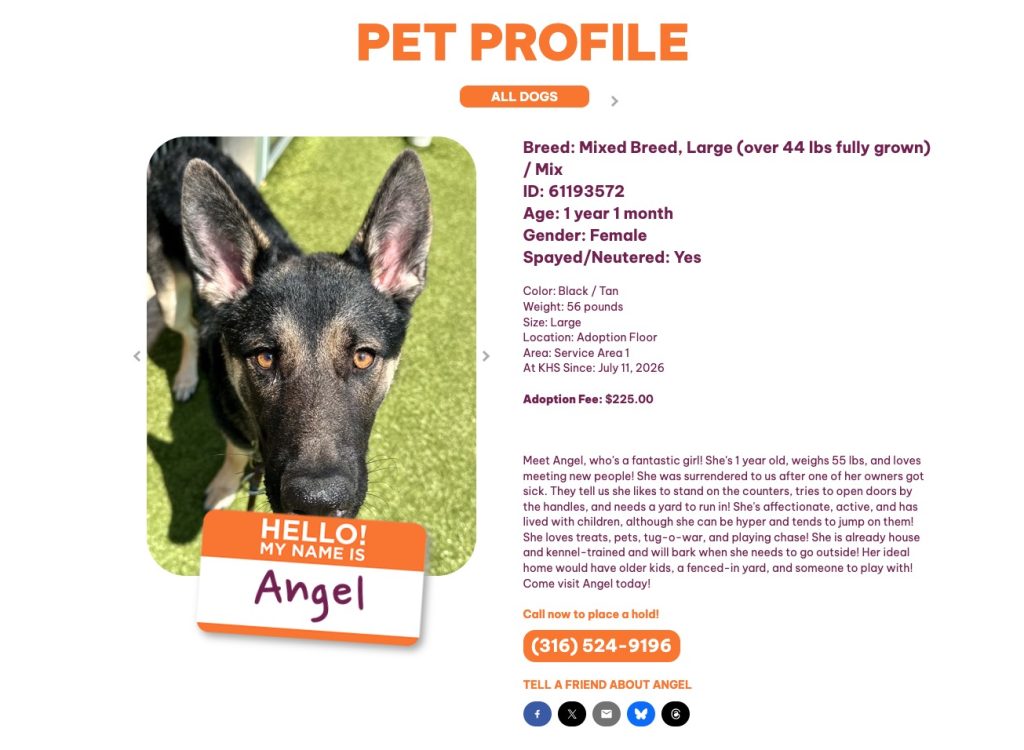
This version of PetBridge gives shelters fully customizable profiles that sync with your shelter software, so the behavioral traits, medical needs, and other details you already track appear right on each pet profile. Many shelters also use that space to spell out their adoption process and expectations; this would be a perfect place to put the 3-3-3 guidance and additional resources. Additionally, adopters can filter animals to find the right match from the start, making it easier for shelters and adopters to find pets that match certain personalities.
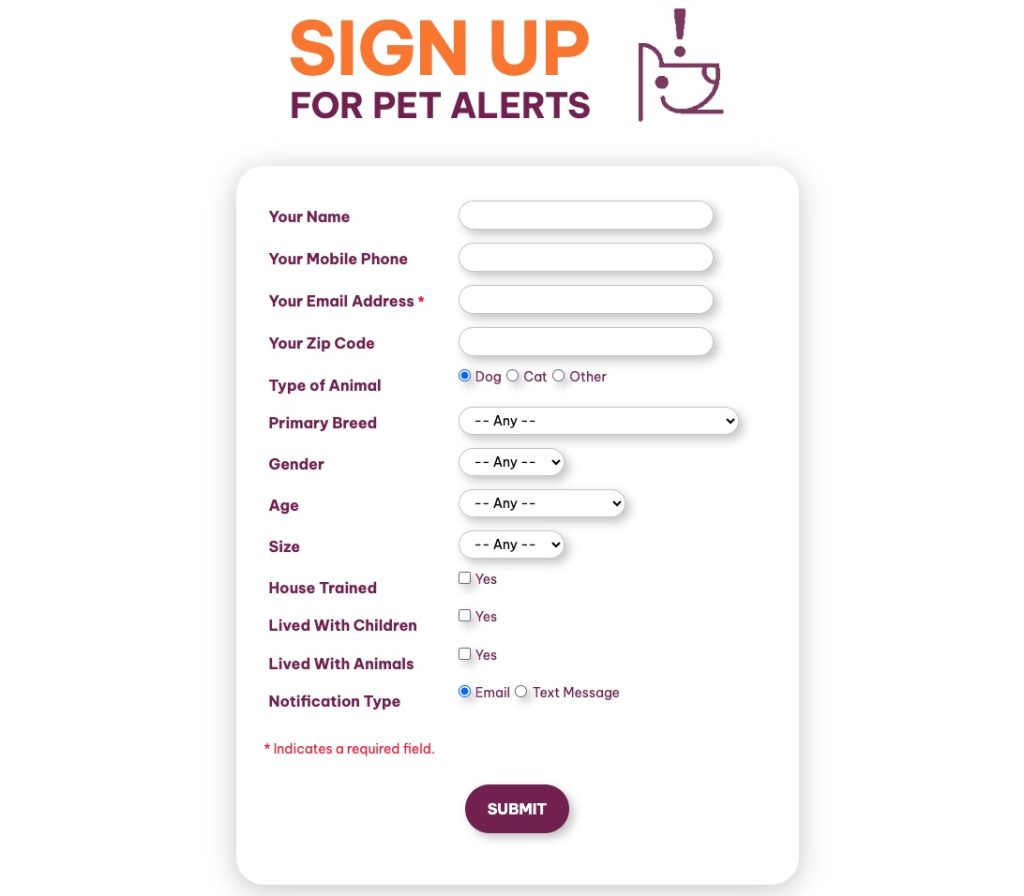
Other tools like Pet Alert reinforce appropriate matching by keeping interested adopters engaged. When a pet that fits their chosen filters becomes available at your facility, they receive an instant email or text notification, so the right match reaches the right person before the moment passes. That keeps adopters connected to your shelter and helps the pets most at risk of a mismatch reach families actively looking for them.
If you want stronger profiles and fewer returns, it’s worth seeing whether a PetBridge Pro integration fits your shelter. Reach out to our team today to talk through your options.
Post-adoption support protects your shelter's mission and capacity as much as it helps the family. Every prevented return is a kennel that stays open, staff hours that don't get spent twice, and an animal that gets to stay home instead of starting over.
You don't need an elaborate program to make a real difference. A few well-timed check-ins, a clear explanation of the 3-3-3 rule, a behavior safety net, and an honest conversation about cost will prevent a meaningful share of the returns you see today. Build it into your workflow, lean on tools to carry the repetitive parts, and let the results show you it's working.